
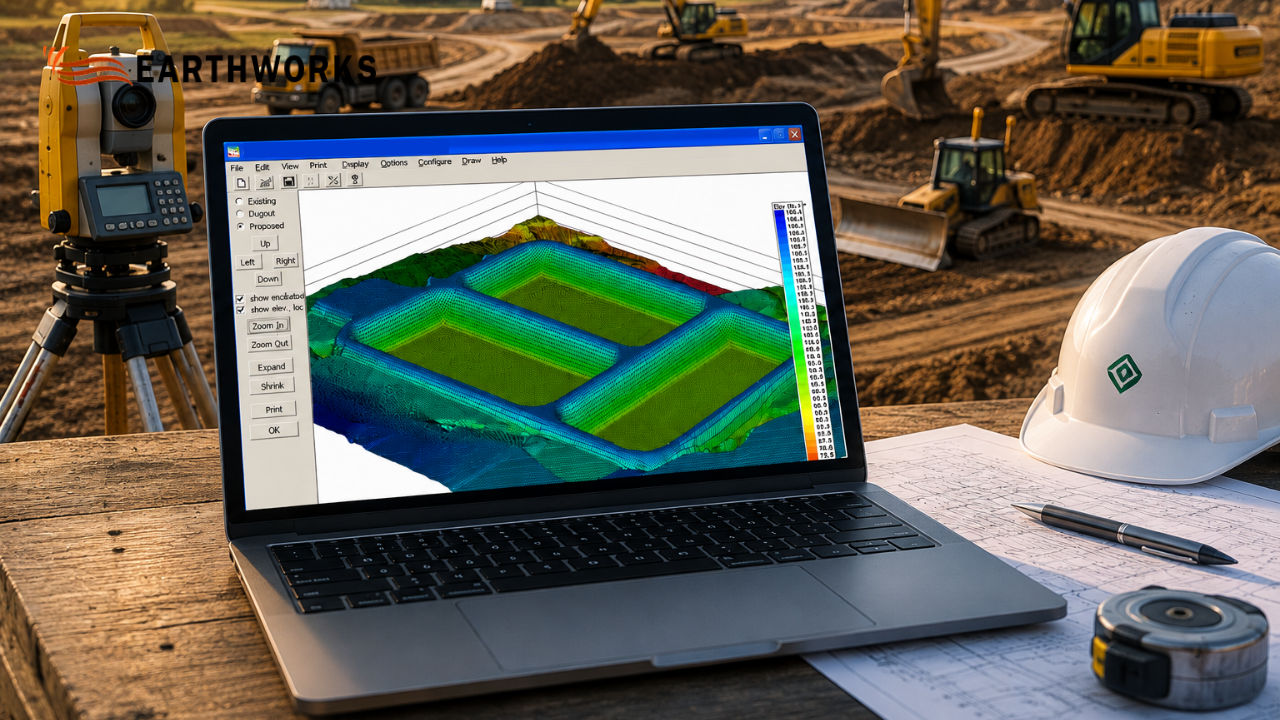
Before an excavator reaches the job site, contractors have already made decisions that can determine whether a project stays on schedule or faces costly delays. Inaccurate quantity estimates, outdated plans, and inefficient workflows can create challenges that affect budgets, timelines, and productivity. For contractors managing complex earthwork projects, excavation software can help contractors review project information, support planning processes, and better understand project requirements before construction begins.
Thank you for reading this post, don't forget to subscribe!Excavation is not simply about moving material from one location to another. It requires careful coordination of site conditions, earthwork quantities, equipment requirements, and project schedules. Avoiding common planning mistakes can help contractors create more organized workflows and better prepare for potential challenges during construction.
Why Can Poor Excavation Planning Delay Construction Projects?
Excavation planning influences nearly every stage of an earthwork project. A mistake made during estimating or preparation can create larger issues once crews and equipment are already committed.
Common consequences of poor planning include:
- Incorrect project bids
- Unexpected material requirements
- Inefficient equipment usage
- Additional hauling costs
- Delays caused by rework
By identifying potential challenges before construction begins, contractors can make better decisions and improve project efficiency.
1. Estimating Projects Without Accurate Earthwork Quantities
Accurate quantities are essential for preparing reliable excavation estimates. When contractors rely on incomplete information or manual calculations, they may underestimate the true scope of work.
Quantity errors can impact:
- Project bids
- Material planning
- Equipment requirements
- Overall project costs
Even a small difference between estimated and actual quantities can affect project performance. Reviewing accurate earthwork data before bidding helps contractors evaluate project requirements and prepare more informed estimates.
2. Ignoring Cut-and-Fill Balance During Project Planning
Cut-and-fill calculations help contractors determine how material will be moved across a site. Without proper analysis, teams may encounter unexpected challenges after excavation begins.
Poor cut-and-fill planning can result in:
- Excess material removal
- Additional fill requirements
- Longer hauling distances
- Delays in grading activities
Understanding earthwork balance early helps contractors plan material movement more effectively and minimize unnecessary work.
3. Starting Excavation With Outdated Site Information
Construction projects often change before work begins. Design updates, revised specifications, and changing site conditions can affect excavation requirements.
Using outdated information may lead to:
- Incorrect takeoffs
- Miscalculated quantities
- Unnecessary rework
- Delayed decisions
Keeping project data accurate and accessible allows teams to work from the most current information throughout the planning process.
4. Failing to Plan Material Movement and Equipment Needs
Efficient excavation requires more than knowing how much material needs to be moved. Contractors also need to understand where materials will go and how equipment will support the workflow.
Poor planning may create:
- Increased hauling time
- Equipment downtime
- Scheduling conflicts
- Reduced productivity
Planning material movement before work begins helps contractors coordinate resources and address potential disruptions more effectively.
5. Creating Gaps Between Estimating Teams and Field Operations
Excavation projects often involve multiple teams working with estimates, drawings, quantity calculations, and project updates. When information is spread across separate systems, maintaining accuracy becomes more difficult.
Disconnected workflows can lead to:
- Conflicting project information
- Repeated calculations
- Missed updates
- Communication gaps
Earthworks supports contractors with tools designed to help manage takeoffs, quantity analysis, and project planning workflows.
6. Discovering Planning Issues After Equipment Is Mobilized
Some excavation challenges only become visible after crews and equipment are already on-site. At that point, making adjustments can affect schedules and increase project costs.
Early planning reviews can help contractors identify potential issues related to:
- Site requirements
- Material quantities
- Grading needs
- Equipment planning
Identifying these challenges earlier can give teams more time to evaluate possible adjustments.
7. Relying on Manual Workflows for Complex Earthwork Projects
Manual spreadsheets and traditional processes may become difficult to manage as excavation projects become larger and more detailed. Tracking quantities, updating estimates, and reviewing project changes manually can slow down decision-making.
Modern digital solutions allow contractors to analyze project information more efficiently. The right excavation software can help teams review requirements, support estimating workflows, and manage project details in a more organized way.
How Can Better Planning Improve Excavation Project Outcomes?
Successful excavation projects depend on preparation long before equipment reaches the site. By avoiding common planning mistakes, contractors can reduce disruptions, improve coordination, and create smoother project workflows.
As excavation projects become more complex, digital tools can provide valuable support throughout the planning process. By adopting excavation software, contractors may be able to take a more organized approach to estimating, analyzing, and managing earthwork requirements.
Better excavation outcomes start before the first load of material is moved. With a more organized planning process, contractors can improve estimating confidence, prepare for potential challenges, and approach projects with clearer information.



Sai Vamshi
This is a paragraph.It is justify aligned. It gets really mad when people associate it with Justin Timberlake. Typically, justified is pretty straight laced. It likes everything to be in its place and not all cattywampus like the rest of the aligns. I am not saying that makes it better than the rest of the aligns, but it does tend to put off more of an elitist attitude.

Recent Comments