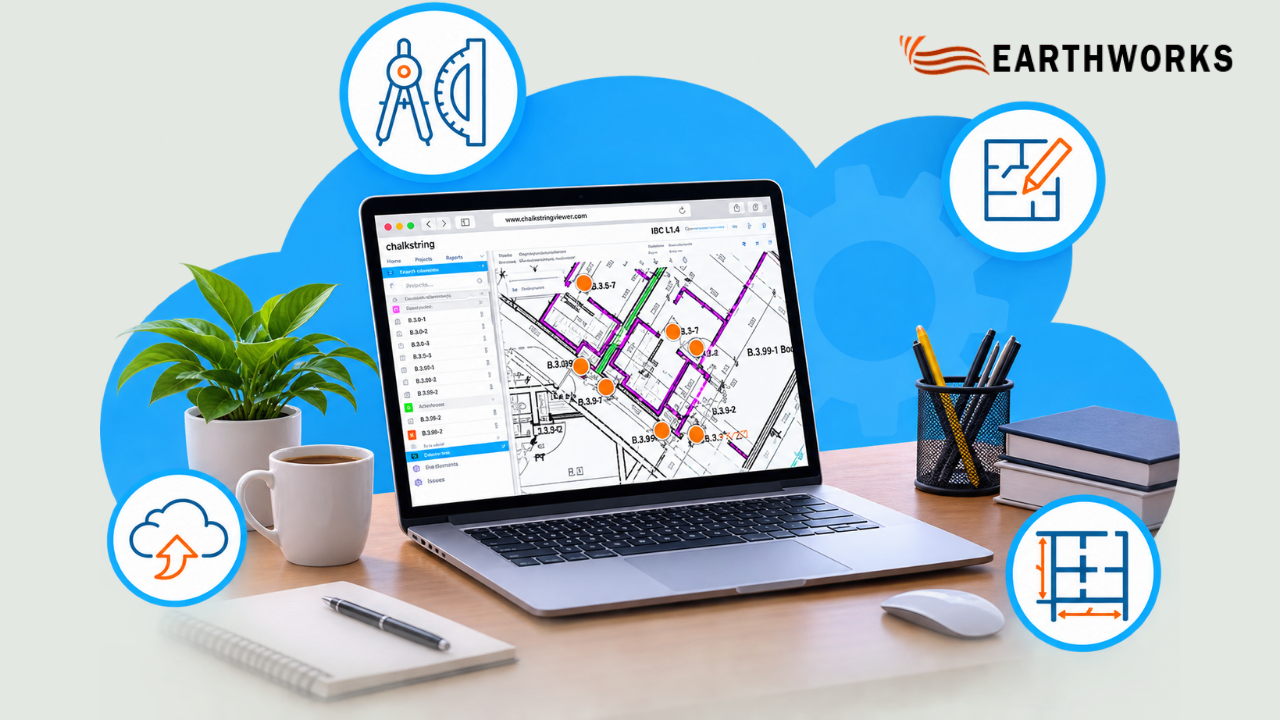
...

How Can Cloud Takeoff Software Improve Modern Construction Estimating?

Construction estimating is no longer centered around a single estimator working from a fixed set of drawings. Multiple revisions, distributed teams, and growing volumes of project information are changing how bids are prepared. Cloud takeoff software is becoming part of this shift, giving estimators a more connected way to work with drawings, quantities, and project information throughout preconstruction.

Modernizing the process, however, is not simply a matter of replacing paper plans with digital files. The bigger shift is how drawings, measurements, revisions, and estimating decisions move through the preconstruction process. 

Is Construction Estimating Still a Standalone Process?

Takeoff may be a distinct task, but it does not operate independently from estimating. The quantities produced during takeoff become part of the decisions that shape the bid. A drawing revision can affect quantities, while a scope clarification may change what needs to be measured. When information is spread across disconnected files and systems, keeping the estimate aligned with the latest project requirements can become more difficult.

A modern workflow connects takeoff more closely with the broader preconstruction process, allowing quantities, revisions, and estimating decisions to remain part of the same process.

How Are Drawing Revisions Affecting Estimating?

Construction drawings can change throughout the bidding process. Estimators may work through revised plans, addenda, specifications, and supporting documents before an estimate is finalized.

That creates an important question: How can estimators keep their work aligned with current project information?

A structured digital workflow gives estimators a clearer way to organize plan sets, review revisions, and determine which measurements may need to be revisited before a bid is finalized. It can also make takeoff information easier to review and update as project requirements change. 

This is particularly important when revisions affect completed measurements. The objective is not simply to digitize drawings but to make project information easier to manage as the estimate develops.

Why Does Accessibility Matter for Estimating Teams?

Estimating is no longer limited to a single workstation or office. Companies may have estimators, preconstruction managers, and other stakeholders working from different locations.

This is where cloud takeoff software can become relevant to the estimating workflow, particularly when project teams need access to drawings and takeoff information from different locations. By providing access to project information through an internet-connected environment, cloud-based tools can give authorized users greater flexibility in how they work.

Consider an estimating team preparing bids for several projects at once. If drawings, measurements, and supporting information are tied to separate workstations, reviewing a project away from the office can introduce unnecessary friction. A cloud-based workflow can give authorized team members access to the same project environment without making a single physical location central to the estimating process. 

Can Technology Support Better Collaboration?

Construction estimating often involves input from multiple people, from estimators and preconstruction managers to project stakeholders reviewing scope and quantities. 

When project information is distributed across email attachments, local folders, spreadsheets, and individual computers, collaboration can depend on manually sharing files.

A centralized digital workflow can give authorized team members a shared view of relevant project information. 

Depending on the platform, this can help teams: 

  • Access current project drawings
  • Review takeoff information
  • Coordinate estimating work
  • Reduce unnecessary file transfers
  • Maintain a more consistent project record

Technology does not replace communication or estimating expertise. It provides a more connected foundation for both.

Does Modern Technology Replace the Estimator?

No. An estimator still needs to interpret drawings, understand scope, identify relevant quantities, review specifications, recognize inconsistencies, and determine how project requirements should influence the bid. 

Digital tools can instead support repetitive and administrative aspects of the process. Measurement tools can help organize quantities, while centralized project environments can make drawings and related information easier to access.

The goal is to support the estimator’s judgment, not replace it.

What Should Contractors Consider When Modernizing?

Choosing estimating technology based solely on the number of features can create unnecessary complexity. Contractors should focus on how well a platform fits the way their estimating teams actually work.

Key questions to consider include:

  • How does the platform handle drawing revisions and version changes?
  • How are measurements created, organized, and updated?
  • Can authorized team members access project information when needed?
  • Does the platform fit the company’s existing estimating workflow?
  • How easily can estimators adopt the technology?

Drawing revisions deserve particular attention. When plans change during preconstruction, estimators need a clear way to identify current documents and determine whether previous takeoff work needs to be reviewed. Contractors should look for a platform that makes that process easier to manage rather than introducing unnecessary complexity. 

How Does Earthworks Support Modern Construction Estimating? 

Modern construction estimating involves more than measuring quantities from drawings. Teams need to manage project information, review changes, collaborate during preconstruction, and move efficiently from takeoff toward an estimate.

Earthworks is designed to support an integrated construction estimating workflow rather than a series of isolated tasks. Its digital takeoff and estimating environment is designed to help construction teams manage the information involved in preparing and developing bids. 

As construction continues to adopt more digital workflows, the focus should remain on making estimating more organized and accessible while preserving the expertise behind every bid.

What Does This Mean for the Future of Estimating? 

The modern estimating workflow is ultimately less about adopting technology for its own sake and more about improving how project information moves from drawings to quantities and, eventually, to a bid.

For contractors evaluating their estimating process, cloud takeoff software can be one component of a more effective approach—provided it fits the team’s workflow and keeps estimator expertise at the center of the process.

READ MORE
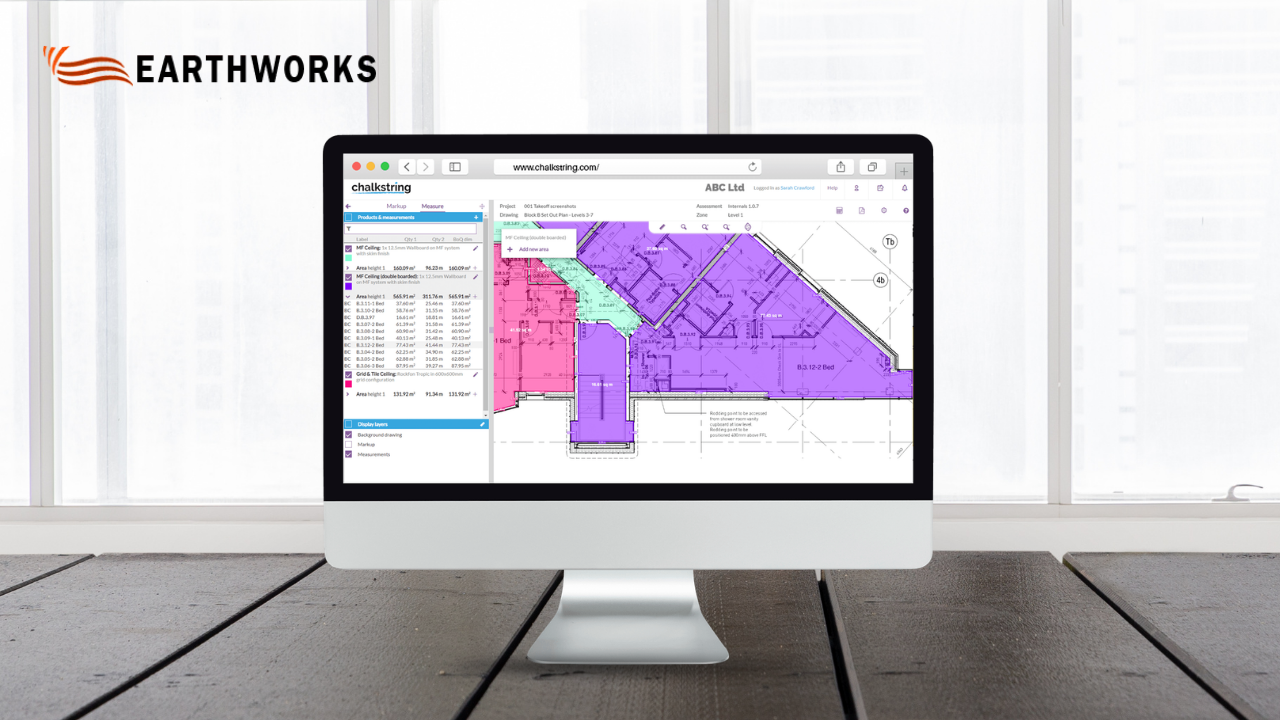
Cloud Takeoff Software for Earthworks | Smarter Estimating

Cloud Takeoff Software for Earthworks: Smarter Estimating Starts Here 

At Earthworks, we’ve seen how quickly construction estimating is changing. Projects are getting larger, timelines are tighter, and accuracy is more critical than ever. That’s exactly why we’ve started focusing on smarter digital tools like cloud takeoff software. It’s not just a technology upgrade—it’s a shift in how we approach planning, measurement, and execution.

Instead of relying on scattered files, manual calculations, and time-heavy revisions, cloud-based systems allow teams to work from a single, live environment. For us, that shift is already helping us improve how efficiently we support project planning from the ground up.

But what does this really mean in practical terms?

Why Estimating Needs a Smarter System Today

Estimating in construction—especially earthworks—isn’t simple. Every project involves shifting volumes, design changes, and unpredictable site conditions. Traditional methods often struggle to keep up.

At Earthworks, we kept seeing the same issues repeat:

  • Drawings being updated but not shared on time
  • Manual quantity takeoffs taking too long
  • Small errors multiplying into large cost differences
  • Teams working on different versions of the same file

So we started asking a simple question:

Is there a better way to ensure accuracy without slowing everything down?

That’s where digital transformation—and specifically cloud takeoff software—comes into play.

What Cloud Takeoff Software Means for Earthworks

For us, cloud takeoff software is more than just a digital tool. It’s a connected workspace where project drawings, measurements, and estimates all exist in one place.

Instead of downloading files or working offline, our team can:

  • Access live project drawings from anywhere
  • Measure quantities directly from updated plans
  • Collaborate in real time with other team members
  • Reduce duplication and version confusion

This matters because earthworks estimation depends heavily on precision. A small error in cut and fill calculations can significantly affect material planning, equipment usage, and overall cost.

How It Improves Accuracy in Earthworks Projects

One of the biggest advantages we’ve experienced is improved consistency in measurements. When multiple people work on the same project, alignment becomes easier because everyone is using the same live data.

This is especially important in earthworks, where we deal with:

  • Excavation and fill volume calculations
  • Site grading and leveling plans
  • Material movement estimates
  • Haul distance and logistics planning

Using cloud takeoff software, we can update quantities instantly when drawings change, instead of starting the process from scratch. That alone saves significant time and reduces the chance of human error.

So the real question becomes:

How much rework can be avoided when updates happen in real time?

In our experience—quite a lot.

Impact on Project Cost and Efficiency

Better estimating doesn’t just improve accuracy—it directly impacts project performance.

With the help of cloud takeoff software, many workflows can see improvements in:

  • More accurate bidding and proposals
  • Reduced material waste from incorrect estimates
  • Better planning for equipment usage
  • Reduced risk of unexpected cost escalations 
  • Faster turnaround from design to execution

In earthworks projects where margins depend heavily on material movement efficiency, these improvements matter significantly. Even small gains in estimation accuracy can potentially lead to improved financial outcomes over the lifecycle of a project. 

Earthworks’ Perspective on Smarter Estimating 

The construction industry is moving toward faster, more data-driven decision-making, and earthworks estimating is no exception. We’ve reached a point where traditional manual processes alone are no longer enough to support modern project demands.

At Earthworks, we see cloud takeoff software as part of a broader shift toward smarter, more reliable estimating. It helps us reduce uncertainty, improve collaboration, and deliver more consistent project outcomes.

The goal isn’t to replace expertise—it’s to support it with better tools.

And as projects continue to grow in complexity, that combination of human experience and digital precision is becoming the new standard.

FAQs

1.What is cloud takeoff software?

It is a digital tool used to measure quantities from construction drawings stored online for faster and more accurate estimating.

2.How does cloud takeoff software help Earthworks projects?

It improves accuracy in cut and fill calculations, reduces manual errors, and speeds up the estimation process.

3.Can teams work together on the same project?

Yes, multiple users can access and work on the same live project from different locations in real time.

4.Is cloud takeoff software difficult to use?

No, most systems are designed with simple interfaces and require minimal training to get started.

5.Does it improve project cost estimation?

Yes, it supports more accurate estimates and may help reduce waste, rework, and unexpected project costs.

READ MORE

Cloud Takeoff Software for Accurate Construction Estimates

How Does Cloud Takeoff Software Improve Construction Estimating Accuracy?


If you’ve ever spent hours measuring drawings manually, you already know how easy it is to make small but costly mistakes. That’s where
cloud takeoff software starts to change the game. Instead of relying on paper plans or scattered tools, everything moves into one connected space where measurements, calculations, and updates happen in real time.

For contractors and estimators, this shift isn’t just about speed. It’s about clarity, consistency, and having confidence in the numbers you present.

Cloud takeoff software

What Is Cloud Takeoff Software and Why Does It Matter?

At its core, cloud takeoff software allows you to measure digital plans directly from your browser. No installations. No version confusion. Just access from anywhere.

But the real value goes beyond convenience.

Here’s why it matters:

  • You’re working on the latest drawings
  • Your team sees the same data in real time
  • Changes may not require starting over
  • Calculations update automatically

That means fewer errors creeping into your estimates—and fewer surprises later in the project.

How Does It Save Time During Estimating?

Time is one of the biggest pressures in construction bidding. Deadlines can sneak up on you, and missing even one might mean losing the job altogether.

With cloud-based tools, a lot of the manual effort reduces.

Instead of:

  • Printing drawings
  • Using scale rulers
  • Re-checking numbers repeatedly

You can:

  • Measure directly on-screen
  • Store templates for repeated tasks
  • Reuse previous takeoffs for similar projects

Can It Really Reduce Human Errors?

Yes—and this is one of the biggest advantages.

Manual takeoffs often involve:

  • Repetitive calculations
  • Switching between tools
  • Writing down measurements

Every step introduces a chance for mistakes.

With cloud takeoff software, many of these risks are minimized because:

  • Measurements are calculated automatically
  • Units stay consistent
  • Data is stored and organized in one place

You’re not relying on memory or handwritten notes anymore. Everything is tracked, visible, and easy to verify.

How Does Collaboration Improve with Cloud Tools?

Construction estimating is rarely a solo task. Teams often need to review, adjust, and approve numbers before submission.

Traditional workflows slow this down. Files get shared back and forth, and version confusion becomes common.

Cloud-based systems change that dynamic.

They allow:

  • Multiple users to access the same project
  • Instant updates across the team

This means fewer delays and less back-and-forth. Everyone stays aligned, even when working remotely.

Is It Suitable for Small and Growing Contractors?

Absolutely. 

Why?

Because they usually:

  • Handle multiple roles at once
  • Have limited time for rework
  • Need to stay competitive on bids

Cloud tools level the playing field. You don’t need a large estimating department to produce accurate, professional takeoffs. With the right system, even small teams can deliver results that match larger firms.

What Features Should You Look For?

Not all tools are built the same. When choosing a solution, it helps to focus on features that actually improve your workflow.

Look for:

Simple interface – easy to learn and use

Accurate measurement tools – for different materials and surfaces

Cloud storage – so your data is always accessible

Project organization – keep everything structured

Export options – for sharing estimates quickly

The goal isn’t just to adopt technology—it’s to make your daily work smoother.

How Does It Help You Win More Bids?

Accurate estimates don’t just protect your margins—they also make your proposals stronger.

When your numbers are clear and consistent:

  • You can price jobs more confidently
  • You reduce the risk of underbidding
  • Clients trust your estimates more

Speed also plays a role. The faster you can complete a reliable takeoff, the quicker you can submit your bid.

In competitive markets, that timing can make a real difference.

Is It Difficult to Transition from Traditional Methods?

This is a common concern, especially for teams used to manual processes.

The good news is that most modern platforms are designed to be user-friendly.

Transition usually looks like:

  • Uploading your first set of drawings
  • Learning basic measurement tools
  • Gradually replacing manual steps

Within a short time, the workflow starts to feel more natural than the old way. And once you experience the efficiency, going back becomes hard to imagine.

Why Are More Construction Teams Moving to the Cloud?

The industry is evolving, and expectations are changing.

Clients want faster responses. Projects are becoming more complex. Teams are more distributed than ever.

Cloud solutions support all of this by offering:

  • Flexibility
  • Real-time access
  • Better data management

It’s not just about keeping up—it’s about working smarter in a competitive environment.

Conclusion 

Switching to cloud takeoff software isn’t just a technical upgrade. It’s a practical step toward improving how you estimate, collaborate, and deliver results.

For businesses using Earthworks in San Diego, the focus is simple: make takeoffs easier, faster, and more reliable without adding unnecessary complexity.

If your current process feels slow or prone to errors, this shift could be exactly what your workflow needs.

Call: +1 (800) 748-6636
Visit: https://earthworksos.com/

READ MORE
Seraphinite AcceleratorBannerText_Seraphinite Accelerator
Turns on site high speed to be attractive for people and search engines.